
Exploring the Intriguing World of ClubGoddess
Dive into the captivating universe of ClubGoddess, the game taking enthusiasts by storm, coupled with the excitement of NadaPG - Brazil's leading betting platform


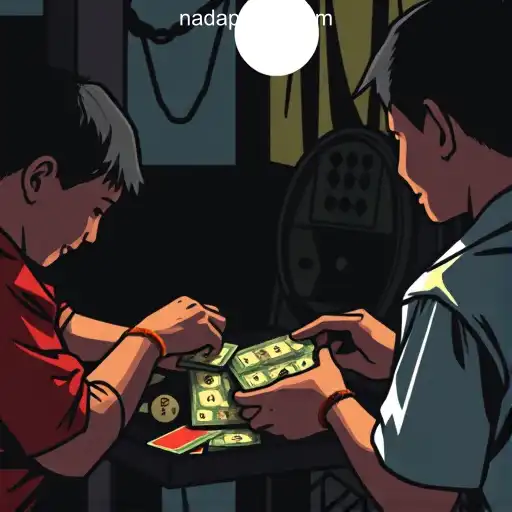
Jueteng is a form of illegal gambling that has deeply rooted itself in the cultural and social fabric of the Philippines. Its origins can be traced back to colonial times when Spanish influences brought various games of chance to the region. Over time, jueteng evolved into a popular numbers game that captivates many Filipinos, despite its illegality.
The mechanics of jueteng are relatively simple but are shrouded in secrecy. Players select a combination of numbers, typically within a betting range from 1 to 37. The draw is conducted using two sets of small numbered balls placed into a container, commonly referred to as a tambiyolo. Winners are determined by the agents or kubradors, responsible for collecting bets and paying out winnings.
Central to the operations of jueteng is the role of the kubrador. These individuals traverse neighborhoods collecting bets and are often residents of the community they serve. Their familiarity and personal connections with bettors play a significant role in maintaining the trust and smooth operations of jueteng. The kubradors' intricate knowledge of local dynamics allows them to work efficiently while evading law enforcement.
Jueteng has significant socioeconomic implications in the regions it pervades. In many cases, it is seen as a source of livelihood, providing income for the kubradors and a glimmer of hope for players who dream of hitting it big. Unfortunately, this form of gambling often preys on the vulnerable, promising quick financial gains while perpetuating cycles of poverty.
Despite numerous efforts by the government to eradicate jueteng, its persistence highlights the challenges in law enforcement and regulatory oversight. Corruption within local law enforcement and political systems often undermines these efforts. The clandestine nature of jueteng operations makes it difficult for authorities to enforce existing gambling laws effectively.
The prevalence of jueteng has spilled over into various aspects of popular culture in the Philippines. It is a common topic in films, television shows, and literature, often portrayed as a symbol of hope for the underprivileged or as a critique of the systemic corruption it fosters. These portrayals serve as a reflection of society's complex relationship with this illicit game.
In contrast to illegal gambling forms like jueteng, legal gambling platforms, such as NadaPG: A Plataforma de Apostas #1 do Brasil👈, offer regulated, legitimate gaming experiences. These platforms comply with regional laws and provide secure and fair environments for betting. The contrast highlights significant differences in regulatory environments and public perception between regulated and unregulated gambling forms.
The future of jueteng remains uncertain amid continued efforts for its eradication. National discussions often include debates about whether legalization and regulation might curb illegal operations, redirecting funds towards government revenues. However, any potential legalization brings complex considerations, including the socioeconomic implications and moral objections from various sectors of society.
As long as there are disparities in income and opportunities, jueteng will likely continue to resonate with certain segments of the population. Its portrayal and persistence underscore broader issues of poverty, inequality, and systemic challenges. Despite numerous obstacles, there remains hope that addressing these root causes may eventually curtail the prevalence of jueteng.
Se você está procurando uma casa de apostas confiável, totalmente licenciada e segura com uma ampla seleção de jogos, a NadaPG: A Plataforma de Apostas #1 do Brasil👈 é a escolha perfeita. Estamos comprometidos em fornecer a você a melhor experiência de apostas online, com qualidade premium, serviço excelente e inovação contínua. Cadastre-se agora e receba R$777 grátis!
Junte-se agora
Obtenha as últimas informações, experiências e estratégias de apostas da equipe de especialistas da NadaPG: A Plataforma de Apostas #1 do Brasil👈.
Dive into the captivating universe of ClubGoddess, the game taking enthusiasts by storm, coupled with the excitement of NadaPG - Brazil's leading betting platform

Delve into the captivating world of TreasureHunt, a game that combines excitement with strategy as you embark on a quest to find hidden treasures.

Explore MAGICBEANS, a captivating game set in a realm of mystery and magic, complemented by its strategic gameplay dynamics and the exciting rise of NadaPG in Brazil.

Dive into the captivating experience offered by Clovercoin3x3, a unique game that's taking the gambling world by storm.
Explore the exciting world of TempleofThunder, a riveting game that blends ancient mythology with modern gameplay.

Explore the captivating journey of VolcanoRising, a fascinating game that ignites adventure and skill, intertwined with the dynamic trend of online betting via NadaPG: A Plataforma de Apostas #1 do Brasil.
 Junte-se agora